Search
Close this search box.
can cats eat cheese?

Can cats eat cheese?

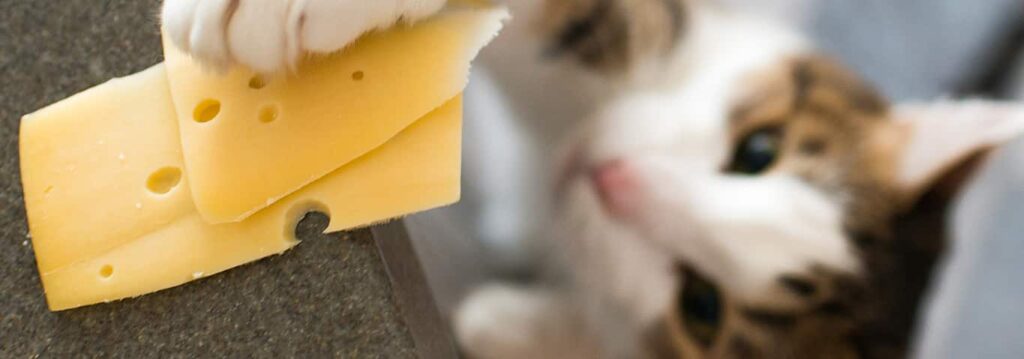
One question that frequently arises among pet owners is whether cats can indulge in cheese. While cats may show an interest in this dairy delight, the question remains: can cats eat cheese?

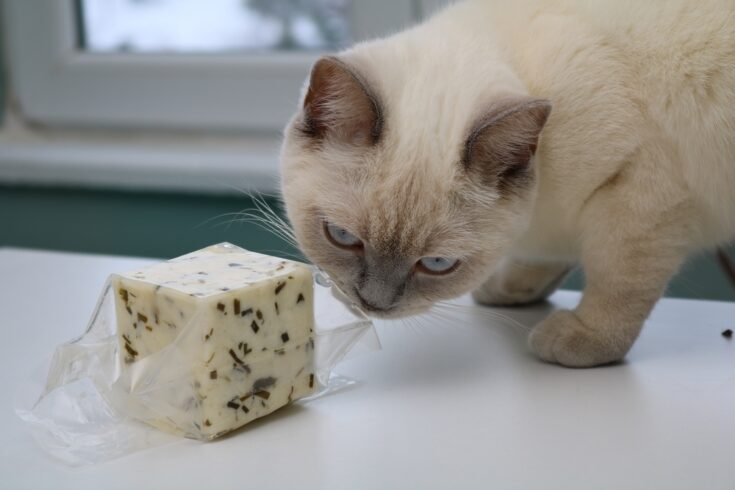
The short answer is yes, cats can eat cheese. Many cats are attracted to the smell and taste of cheese, just like humans are. However, it’s essential to exercise caution and moderation when offering cheese to your feline friend.

Cheese is rich in protein and fat, which can be appealing to cats. However, cats have specific nutritional requirements that are best met through a balanced diet consisting primarily of meat-based proteins. While cheese isn’t toxic to cats, it’s not an ideal component of their diet. Cats lack significant amounts of lactase, the enzyme needed to properly digest lactose found in dairy products like cheese. Feeding cheese to lactose-intolerant cats can lead to gastrointestinal upset, including diarrhea and stomach discomfort.

Is Cheese Bad for Cats

Some types of cheese are high in sodium and fat, which can contribute to obesity and other health issues in cats if consumed in excess. Moreover, certain varieties of cheese, such as blue cheese, contain molds and other compounds that could be harmful to cats if ingested.

Is cheese bad for cats?

While cheese isn’t inherently toxic to cats, it’s not an essential part of their diet. Feeding cheese to cats (read more about it) should be done sparingly and with careful consideration of potential risks. Cats may enjoy the taste of cheese, but their dietary needs are primarily met through high-quality cat food specifically formulated to meet their nutritional requirements.

Can cats eat cream cheese?

Cream cheese, a dairy product known for its creamy texture, might catch a cat’s curiosity due to its aroma and taste. While small amounts of cream cheese might not pose an immediate threat, it’s not an ideal treat for cats. Cream cheese contains lactose, which many cats cannot easily digest due to a lack of sufficient lactase enzymes.  Additionally, the high-fat content in cream cheese could contribute to  pancreatitis in cats if consumed regularly. As a result, it’s best to avoid offering cream cheese to your feline friend and opt for treats specifically formulated for cats.

Can cats eat cottage cheese?

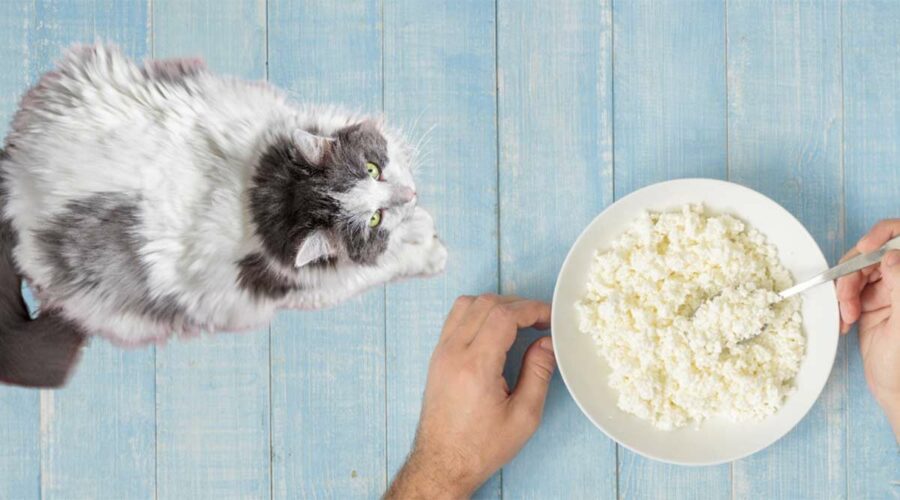
Cottage cheese, a type of cheese known for its mild flavor and crumbly texture, is another dairy product that may intrigue cats. Unlike many other types of cheese, cottage cheese has lower lactose levels, making it potentially easier for some cats to tolerate in small amounts. Introducing cottage cheese to a cat’s diet should be approached cautiously. Monitor your cat for any adverse reactions, after consuming cottage cheese. 

can cats eat cottage cheese?

Can cats eat mac and cheese?

Mac and cheese, a beloved comfort food for many, may tempt pet owners to share a bite with their feline companions. However, it’s crucial to understand that this dish isn’t suitable for cats. Mac and cheese typically contains ingredients that are unsuitable for feline consumption. 

Moreover, the pasta in mac and cheese offers no nutritional benefit to cats.  Carbohydrates like those found in pasta aren’t necessary for their nutritional needs and can even lead to weight gain if consumed regularly. The high-fat and high-sodium content in cheese and the potential additives in the dish can be harmful to cats.

Can cats eat string cheese?

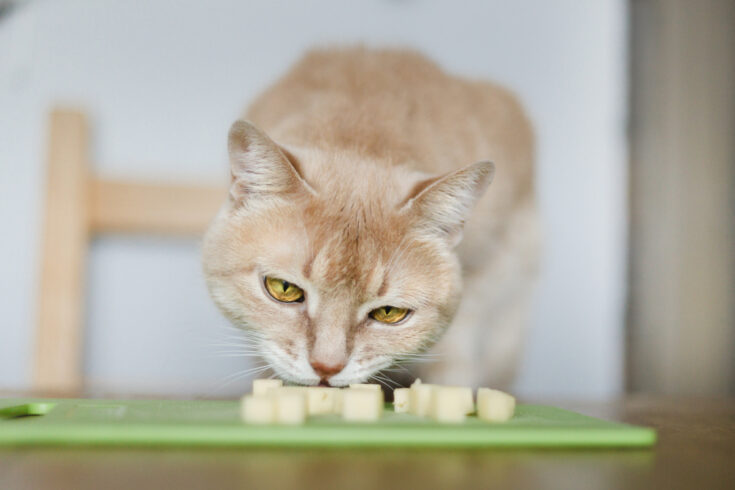
String cheese, with its convenient and peelable nature, might seem like a tempting treat to share with your feline friend. However, while cats can technically eat small amounts of plain string cheese without immediate danger, it’s important to exercise caution.

can cats eat string cheese?

If you choose to share a small amount of string cheese with your cat, ensure it’s plain and free from any additional flavorings or additives. Ultimately, while an occasional nibble may be tolerated, string cheese should not be a regular part of your cat’s diet.

Can cats eat cheesecake?

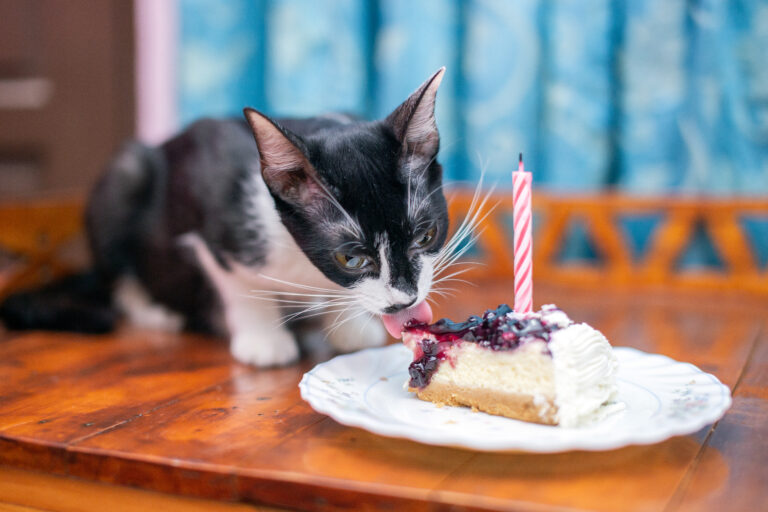
Cheesecake, with its rich and creamy texture, is a delectable dessert enjoyed by many, but it’s not suitable for feline consumption. Cats should not be fed cheesecake due to several reasons. Cheesecake contains multiple ingredients that are unsuitable for cats. Firstly, it’s made with cheese, which contains lactose.

Moreover, cheesecake often contains sugar and other sweeteners that are unnecessary and potentially harmful to cats. Cats have different dietary needs compared to humans (read here about human foods that cats can eat) and lack the taste receptors for sweetness, making such ingredients irrelevant and potentially detrimental to their health. Additionally, the high-fat content in cheesecake can lead to obesity and pancreatitis in cats if consumed regularly. 

Can cats eat mozzarella cheese?

Mozzarella cheese, with its mild taste and soft texture, might appeal to cat owners looking to treat their pets. While cats can consume small amounts of plain mozzarella cheese without immediate harm, it’s essential to approach this with caution. 

Offering tiny bits of plain, low-lactose mozzarella as an occasional treat might be tolerated by some cats. However, it should never replace a well-balanced, species-appropriate diet formulated for feline health.  While mozzarella cheese might seem harmless, understanding a cat’s individual tolerance and nutritional requirements is crucial for maintaining their well-being.

Can cats eat parmesan cheese?

Parmesan cheese, known for its strong flavor and granular texture, raises questions among cat owners regarding its suitability for feline consumption. While cats can technically eat small amounts of parmesan cheese without immediate danger, it’s vital to be cautious. Parmesan cheese is generally high in salt and fat content, which can be harmful to cats if consumed regularly or in large quantities. 

Can cats eat cheddar cheese?

Cheddar cheese, known for its sharp flavor and versatility, often raises curiosity among cat owners about its suitability for feline consumption. While cats can technically eat small amounts of cheddar cheese without immediate harm, it’s important to be mindful of potential issues. 

Can cats eat feta cheese?

Feta cheese, with its tangy taste and crumbly texture, might intrigue cat owners seeking to treat their pets. However, it’s important to exercise caution when considering sharing feta cheese with cats. Offering tiny bits of plain, low-lactose feta cheese as an occasional treat might be tolerated by some cats.

Can cats eat scrambled eggs with cheese?

Scrambled eggs with cheese might seem like a tempting and protein-rich treat to share with your feline friend. While plain scrambled eggs can be a nutritious occasional addition to a cat’s diet, adding cheese to the mix requires caution.

Eggs, when cooked thoroughly without additives like salt or seasoning, can offer a protein boost for cats. Moreover, cheese adds extra fat and salt, which aren’t ideal for cats in large amounts. If you consider offering scrambled eggs to your cat as an occasional treat, it’s best to serve them plain without cheese or any seasoning.

can cats eat scrambled eggs with cheese?

Can cats eat popcorn with cheese?

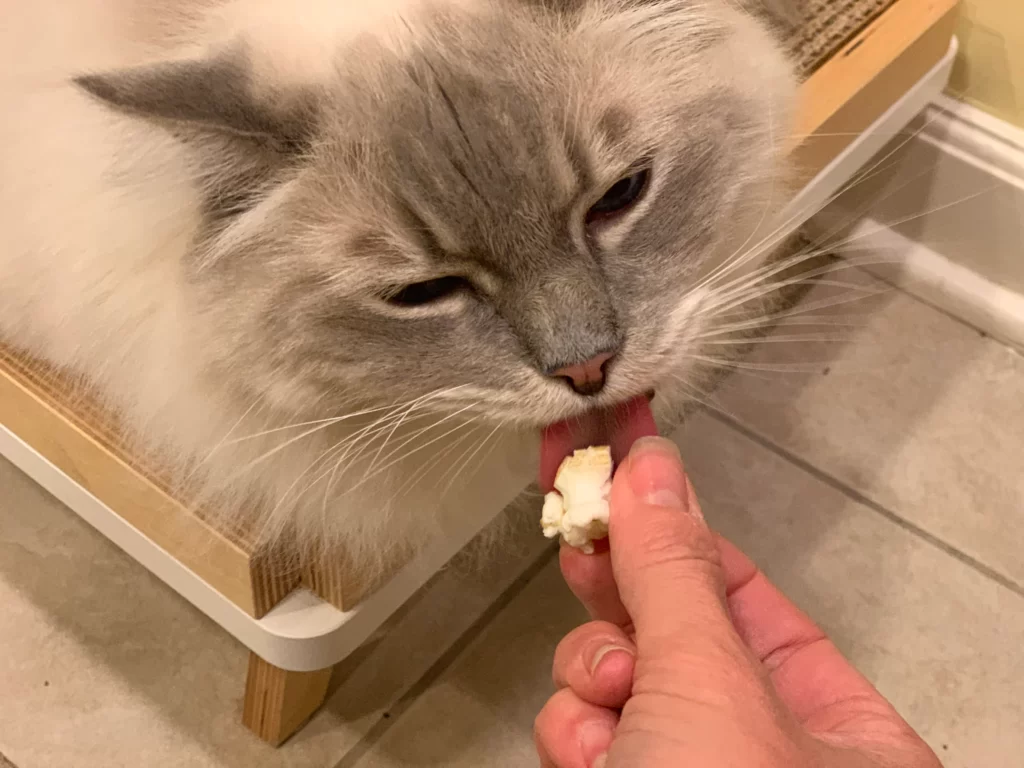
Popcorn with cheese might seem like a tempting snack to share with your feline friend during movie nights, but it’s important to understand that this combination isn’t suitable for cats. Popcorn itself isn’t toxic to cats when served plain and unsalted in small amounts, but the addition of cheese introduces potential risks.

can cats eat popcorn with cheese?

Always consult your veterinarian before introducing new foods to your cat’s diet. Τhe administration of cheese to the cats requires careful consideration, due to potential lactose intolerance and the cat’s specific dietary needs.

Leave a Reply

Your email address will not be published. Required fields are marked *

Chicho Cat - About me

CHICHO

cat blogger

It’s time to introduce myself. I’m Chicho and I run this blog to help cat parents make their pet’s life more comfortable.

Chicho Cat

Latest Articles