

Cats are known for their selective dietary preferences, often being labeled as obligate carnivores. Their diet primarily consists of meat, but occasionally, felines show interest in other foods, leaving cat owners curious about the safety of various human foods, including apples.
Apples themselves are non-toxic to cats and can be considered safe when fed in moderation. The fruit is packed with nutrients like vitamin C and dietary fiber (like strawberries), which can offer some health benefits to felines. However, it’s important to note that cats have different digestive systems compared to humans and other omnivores. Their bodies are not designed to efficiently process certain types of food, including fruits like apples.
Benefits of Feeding Apples to Cats
In small amounts, apples can provide some nutritional value to cats. The fiber content in apples might aid in digestion and regulate bowel movements, potentially helping with hairball control. Additionally, the vitamins present in apples could contribute positively to a cat’s overall health, supporting their immune system.

Potential Risks
While apples aren’t toxic to cats, there are aspects to be cautious about:
Seeds and Core: Apple seeds contain cyanide compounds, which can be harmful in large amounts. However, a cat would need to consume a significant quantity of seeds for it to pose a risk. The core can also present a choking hazard. Therefore, it’s advisable to remove seeds and the core before offering an apple slice to your cat.
Pesticides and Chemicals: Always wash apples thoroughly before giving them to your cat to remove any pesticides or chemicals that could be harmful.
Digestive Upset: Cats might have sensitive stomachs. Introducing new foods, like apples, can potentially cause digestive upset, leading to vomiting or diarrhea (is your cat sick? Check the signs).
If you decide to offer your cat a taste of apple, it’s crucial to do so in a safe manner:
Prepare Appropriately: Wash the apple thoroughly, remove seeds and the core, and cut it into small, bite-sized pieces. Cats might find the texture and taste unfamiliar, so they might not readily accept it.
Monitor Their Reaction: Start by giving a small piece and observe how your cat reacts. If they show no interest or have an adverse reaction, avoid offering more.
Moderation is Key: Limit the amount of apple you offer to your cat. It should be an occasional treat rather than a regular part of their diet.
Can cats eat green apples?
The curiosity about what cats can eat often extends to fruits like green apples. While cats are primarily carnivores, the occasional nibble of non-toxic human foods isn’t unheard of. Green apples, like their red counterparts, aren’t inherently toxic to cats. The seeds of green apples contain compounds that can be harmful to cats in large amounts. Remove seeds and the core before offering any slices to your cat. Also, washing the apple thoroughly helps remove any pesticides or chemicals present on the skin, reducing potential risks.
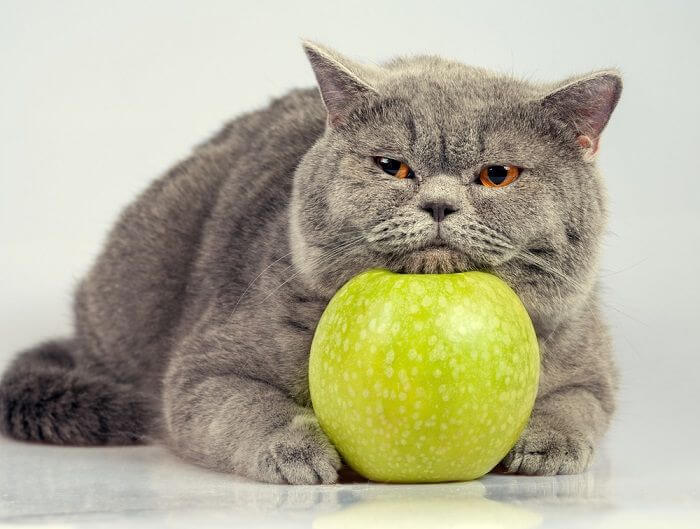
While green apples themselves aren’t toxic to cats, they shouldn’t be a regular part of their diet. Cats have specific dietary needs, and a balanced, meat-based diet remains crucial for their overall health. Green apples, if given at all, should be an occasional treat, offered cautiously and in moderation.
Can cats eat apples and cinnamon?
Cats’ dietary needs differ significantly from humans, raising questions about the safety of combining fruits like apples with spices such as cinnamon in their diet. Cinnamon is not inherently toxic to cats, but it’s not a recommended addition to their diet. In large quantities, cinnamon can irritate a cat’s digestive system, cause allergic reactions or changes in heart rate. The combination of apples and cinnamon raises concerns. While a tiny amount of plain, peeled apple might not harm a cat, adding cinnamon increases the risk of adverse reactions.

Cats should primarily consume a diet rich in animal protein. Introducing unfamiliar foods like apples combined with cinnamon can upset their stomachs or lead to other health issues. It’s best to avoid offering cats apples with cinnamon and instead focus on providing a nutritionally balanced diet specifically designed for felines.
Can cats eat dried apples?
Dried apples, often perceived as a convenient snack, prompt questions about their suitability for feline consumption. In moderation, plain, unsweetened dried apples are not inherently toxic to cats. However, several considerations should be kept in mind:
High Sugar Content: Dried fruits, including apples (or bananas), have concentrated sugars, which may not align with a cat’s dietary needs. Excessive sugar intake can lead to obesity and dental issues in felines.
Preservatives and Additives: Some commercially available dried apples might contain preservatives or additives, potentially harmful to cats. Always opt for plain, unsweetened varieties.
Feeding Dried Apples to Cats
Portion Control: Offer only tiny amounts of dried apples, as cats don’t require fruits in their diet. Monitor their response for any adverse reactions.
Consult a Vet: Prioritize your cat’s health by consulting a veterinarian before introducing any new food, including dried fruits, into their diet. While dried apples themselves might not be toxic to cats, they offer minimal nutritional value and can pose risks due to their sugar content. Dried apples are an unnecessary addition to their meals. Always prioritize your cat’s health.

Can cats eat red apples?
Red apples, a common fruit in many households, might intrigue cat owners wondering about their feline friend’s dietary preferences and safety when it comes to human foods. Red apples, like other apple varieties, are non-toxic to cats. The seeds of red apples contain compounds that can be harmful in large quantities due to their cyanide content. Remove seeds and the core before sharing any apple slices with your cat. Cats might have sensitive stomachs.
Feeding red apples to cats, you should cut the red apple into small, manageable pieces after removing seeds and the core. Also, cats don’t require fruits in their diet. If you choose to offer red apples, do so sparingly and in small amounts. While red apples themselves are not toxic to cats, they are not a necessary part of their diet. Offering red apples should be an occasional treat.
Can cats eat raw apples?
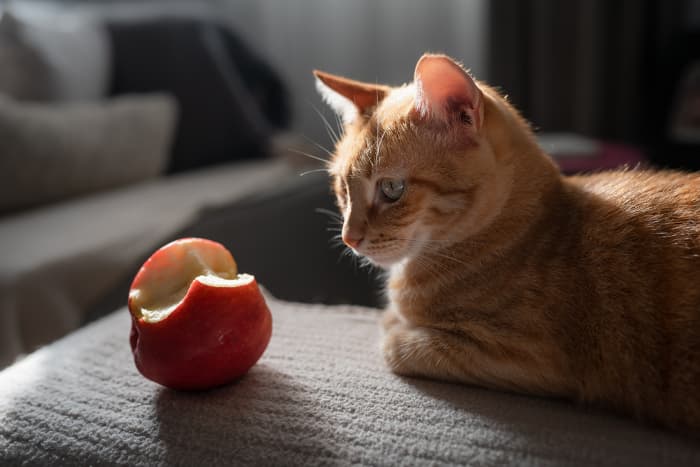
Raw apples often tempt cat owners considering sharing human foods with their feline companions. Understanding the implications of offering raw apples to cats is essential to their health. Raw apples are generally considered safe for cats when given in moderation. It’s crucial to remove seeds and the core before feeding raw apple slices to cats.
Feeding Raw Apples to Cats
Preparation: Wash the raw apple thoroughly, remove seeds and the core, and cut it into small, cat-friendly pieces.
Moderation: While raw apples aren’t toxic to cats, they’re not a necessary part of their diet.
While apples themselves aren’t toxic to cats and can offer some nutritional benefits in small amounts, they are not a necessary component of a feline’s diet. If you think to introduce new foods to your cat’s diet (maybe watermelon and melon) or have concerns about it’s nutrition, it’s best to ask your veterinarian for personalized advice.