
Avocado, known for its nutritional richness, is a staple in many households. However, when it comes to our cats, questions arise: Can cats eat avocado? In this exploration of feline nutrition, we delve into the potential risks and benefits associated with avocado consumption for our beloved pets.
Prized for its creamy texture and rich flavor, is a good source of healthy monounsaturated fats, vitamins, and minerals. However, it also contains a substance called persin, which, in certain circumstances, can be toxic to animals. Persin is a fungicidal toxin found in various parts of the avocado, including the fruit, pit, leaves, and bark. While dogs and some other animals may experience mild gastrointestinal upset from persin, it poses a more significant threat to felines. Cats are particularly sensitive to persin, and ingesting even small amounts can lead to severe health issues.
The risks associated with cats consuming avocado stem from the presence of persin. Ingesting persin can lead to symptoms such as vomiting, diarrhea, difficulty breathing (learn the signs to understand that your cat is in pain), and, in severe cases, cardiovascular issues. The highest concentration of persin is found in the avocado pit, followed by the skin and leaves. While the flesh of the avocado contains lower levels of persin, it is still advisable to err on the side of caution. In some cases, cats may exhibit an allergic reaction to avocado, further complicating the potential risks.
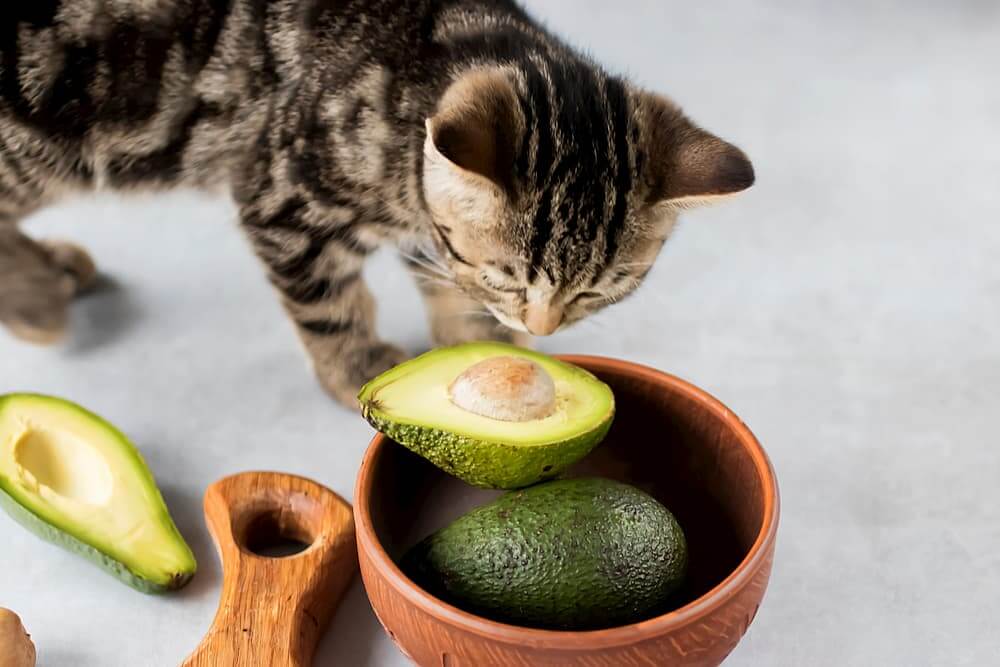
Despite the potential risks, some cat owners may be curious about whether there are safe ways to incorporate avocado into their cat’s diet. It’s important to note that avocados should never be a primary or essential part of a cat’s nutrition. However, if you are considering offering small amounts of avocado, opt for the ripe flesh, free from skin and pits. Mashing a small portion of ripe avocado and mixing it with your cat’s regular food can provide a safe introduction. Always monitor your cat’s reaction closely and discontinue if any signs of distress or discomfort are observed.
Can cats eat avocado oil?
The question of whether cats can consume avocado oil (learn more about human foods that may a cat eat) often arises, considering the growing popularity of this nutritious oil in human diets. Its culinary versatility and potential health benefits for humans have contributed to its widespread use in various dishes.
Avocado oil is a source of monounsaturated fats, which can be beneficial for heart health and contribute to a shiny coat and healthy skin in cats. Additionally, it contains vitamin E, an antioxidant known for its role in immune system support. While these components can offer potential health benefits, it’s crucial to recognize that cats have unique nutritional needs as obligate carnivores.
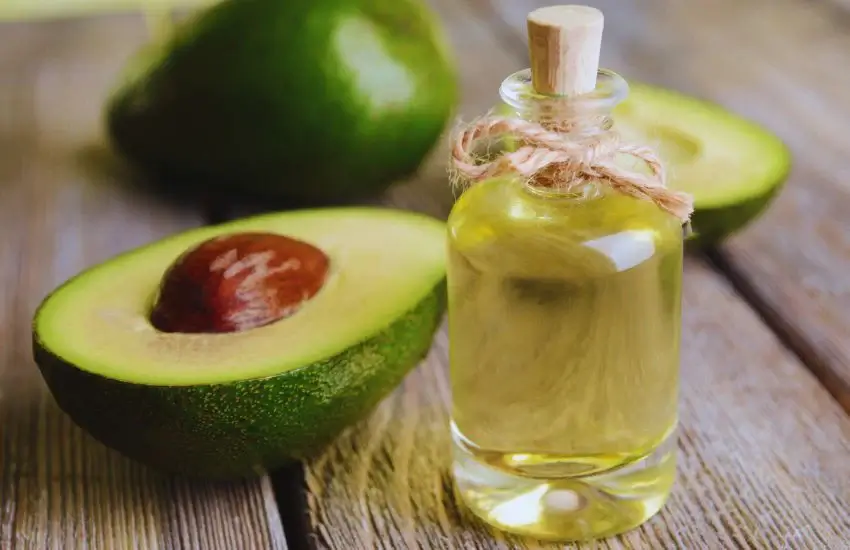
If you are considering incorporating avocado oil into your cat’s diet, it’s advisable to start with small amounts. Mixing a tiny quantity of avocado oil with your cat’s regular food can serve as an introduction. Carefully observe your cat’s response, looking for any signs of digestive upset or allergies.
Can cats eat avocado skin?
The skin of an avocado is known to have a higher concentration of persin compared to the flesh. Due to the potential dangers associated with persin, it is strongly advised to keep cats away from avocado skin. Store avocados securely and keep them out of reach of curious feline companions. If there is any suspicion or confirmation that a cat has ingested avocado skin, seeking veterinary advice is imperative.
Can cats eat avocado leaves?
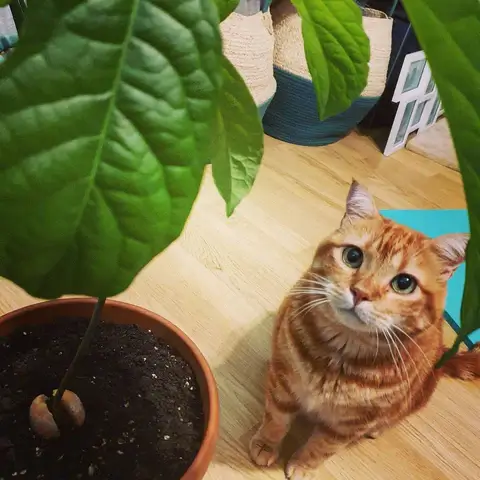
Avocado leaves, like other parts of the plant, contain persin, albeit in varying concentrations. To protect the health of feline companions, it is crucial to take preventive measures to ensure that cats do not have access to avocado leaves. This includes securing indoor plants and being cautious about the disposal of avocado plant trimmings. Outdoor avocado trees may pose an additional risk, and cat owners should be vigilant in preventing their cats from interacting with these plants.
Can cats eat avocado flesh?
Despite of containing healthy fats and vitamins, the reaction for each cat is not the same. If you’re considering incorporating small amounts of avocado flesh into your cat’s diet, it’s essential to do so cautiously. Start with a tiny portion and observe your cat closely for any adverse reactions. Larger quantities of avocado flesh could potentially lead to more severe health issues.
In conclusion, while avocado may offer numerous health benefits for humans, it should be approached with caution when considering it for your feline friend. The presence of persin makes avocado potentially harmful to cats (read for other harmful foods for cats like grapes or chocolate) and the associated risks outweigh any potential nutritional benefits. As responsible pet owners, prioritizing a well-balanced, species-appropriate cat diet is essential for ensuring your cat’s optimal health and well-being. If you have any concerns or questions about your cat’s diet, always seek guidance from your veterinarian.